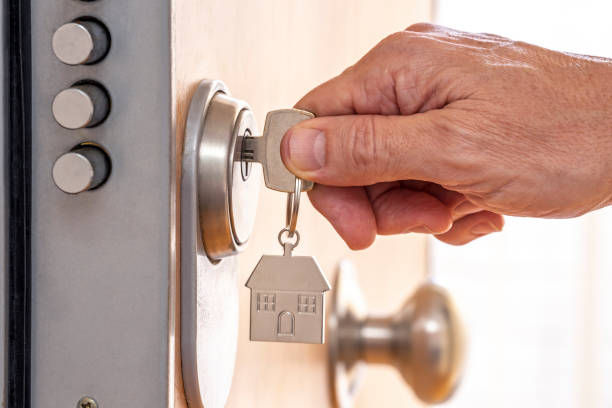
How Business Security Strategies Reduce Risks And Improve Workplace Safety
Business security involves much more than locking doors at closing time. Companies face challenges involving unauthorized access, employee turnover, inventory protection, and changing security risks. We regularly see businesses prioritize technology while overlooking physical access systems that remain critical to workplace safety and long-term protection.Many growing businesses evaluate Commercial Locksmith in Surprise, AZ solutions as part of broader strategies designed to strengthen access control and improve overall security practices.
Key Takeaways
Physical security supports overall business protection.
Access control reduces unauthorized entry risks.
Routine inspections identify vulnerabilities early.
Security planning minimizes operational disruptions.
Employee awareness improves workplace safety.
Business crime statistics continue showing that physical security weaknesses contribute significantly to preventable losses. Property theft, unauthorized access, and security-related disruptions can create financial consequences that extend beyond immediate damage. Prevention often costs less than recovery.
Many security issues develop gradually. Small vulnerabilities can expand over time and create larger operational concerns if left unaddressed.
Why Commercial Security Requires Continuous Attention
Business environments constantly change. Staff growth, operational expansion, visitor traffic, and facility changes all influence security needs.
Older access systems may not support evolving requirements. Organizations often outgrow traditional approaches as workplaces become more dynamic.
Security industry observations regularly indicate that layered protection methods reduce risk more effectively than relying on one security measure. Strong systems combine physical safeguards, employee awareness, and access management.
Common Security Gaps Businesses Frequently Overlook
Security concerns often appear in unexpected locations.
Loading areas, secondary entrances, employee-only spaces, and utility access points sometimes receive less attention than front-facing entry areas.
Areas businesses frequently overlook
Rear access doors
Delivery entrances
Shared employee spaces
Storage areas
Internal restricted zones
Identifying these vulnerabilities early can improve long-term protection.
How Access Control Improves Workplace Security
Modern businesses increasingly rely on access management systems rather than standard key distribution alone.
Electronic systems, restricted key access, and monitored entry points create stronger oversight and improve accountability. Businesses also gain greater flexibility when employee roles change.
Reports from commercial security organizations suggest controlled access environments may significantly reduce unauthorized entry incidents and improve operational efficiency.
Important Considerations Before Security Decisions
Business owners should evaluate operational needs before implementing security improvements.
Workforce size, customer traffic, facility layout, and access requirements all influence planning decisions. A retail storefront may require different solutions than a warehouse or administrative office.
Around the middle of larger security evaluations, Old Glory Locksmith may become part of discussions involving access planning and business protection improvements.
Organizations should also consider future expansion. Systems designed around long-term scalability often provide greater value over time.
Questions business owners should evaluate
How many entry points exist?
Does staff turnover occur regularly?
Are restricted areas properly secured?
Can systems adapt as operations grow?
These considerations often support stronger decision-making.
Practical Habits That Strengthen Workplace Security
Technology remains important, but daily routines also influence security outcomes.
Employee awareness contributes significantly to reducing avoidable risks. Businesses with clear procedures frequently create safer working environments.
Routine walkthroughs can also help identify damaged hardware and access concerns before they become larger issues.
Security habits businesses should encourage
Verify visitors before granting access
Inspect entry systems regularly
Report damaged hardware promptly
Review access permissions periodically
Consistent practices often support stronger protection.
Common Questions Businesses Frequently Ask
Business owners often ask whether access control systems completely replace traditional lock systems. In many environments, layered approaches create stronger results than relying exclusively on one method.
Another common question involves employee turnover. Businesses frequently evaluate access updates after staffing changes because access management directly affects security consistency.
Companies also ask whether older systems should be upgraded proactively. Preventive improvements often reduce future disruptions and emergency service needs.
Frequently Asked Questions
How often should businesses inspect lock systems?
Commercial security hardware should generally receive periodic evaluations, especially in facilities with frequent daily traffic.
Do access systems improve workplace security?
Controlled access may improve oversight and reduce unauthorized entry opportunities.
Should businesses update security after employee turnover?
Many organizations reassess access procedures after staffing changes to maintain stronger protection.
Can outdated hardware create security concerns?
Older systems may experience wear and become less reliable over time.
Do small businesses benefit from access planning?
Businesses of all sizes often benefit from structured security practices and access management.
Final Thoughts
Business security requires ongoing attention rather than one-time solutions. Small vulnerabilities can gradually become larger risks that affect daily operations and workplace safety. Strong access practices, periodic evaluations, and practical planning create more dependable security environments and support long-term operational stability.
Contact Us
Business security challenges can affect daily operations, employee safety, and long-term peace of mind. We help organizations evaluate security concerns, improve access systems, and identify practical protection strategies tailored to specific operational needs. Whether support is needed for access planning, hardware concerns, or broader workplace security goals, our team is ready to help. Contact us today to discuss dependable solutions designed around your business security priorities and future growth plans.