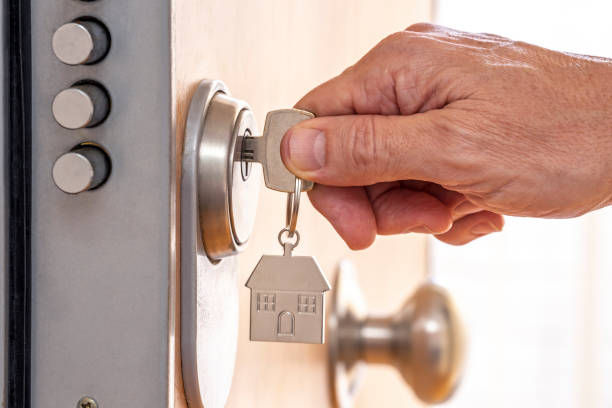
Top Commercial Security Tips Every Business Owner Should Know
Business security starts with planning, prevention, and fast action. We see many companies focus on alarms and cameras while overlooking lock systems, access control, and entry-point vulnerabilities. In fast-growing areas, physical security remains one of the first defenses against theft, unauthorized entry, and operational disruptions. By understanding security fundamentals, businesses can significantly reduce avoidable risks.On many commercial properties, Commercial Locksmith in Surprise, AZ services play an important role in maintaining stronger access protection and reducing day-to-day security gaps.
Key Takeaways
Strong access control reduces unauthorized entry risks.
Employee security habits matter as much as technology.
Lock upgrades improve long-term building protection.
Routine inspections identify weak points early.
Security planning lowers emergency-related disruptions.
Security threats continue changing. Industry reports regularly show that small businesses experience a substantial portion of property crimes because many rely on outdated systems or inconsistent security practices. We often find that prevention costs far less than responding to theft, damage, or operational downtime.
Why Physical Security Still Matters for Businesses
Digital protection receives attention, but physical security failures can create immediate financial losses. A compromised storefront, office, warehouse, or facility can interrupt operations and damage customer trust.
According to industry estimates, many businesses lose thousands annually from preventable security incidents. Weak entry systems, unmanaged keys, and outdated hardware frequently create vulnerabilities. Modern protection begins at the door.
Physical safeguards create multiple layers that work together. Locks, key systems, employee procedures, surveillance, and controlled access all contribute to stronger protection.
Common Security Risks Business Owners Overlook
Many businesses unintentionally create weak points. Small oversights can become larger problems over time.
Frequently missed vulnerabilities
Employee turnover without rekeying locks
Shared keys with no tracking process
Aging lock hardware
Poor rear-entry protection
Unsecured delivery entrances
These issues may seem minor initially, but they often create opportunities for unauthorized access.
Upgrade Access Control Before Problems Develop
Many businesses still rely entirely on traditional keys. While standard lock systems have value, growing organizations often benefit from layered access systems.
Electronic credentials, keycard systems, keypad entry, and restricted key systems provide stronger control. Business owners can decide who enters specific areas and monitor activity more effectively.
Reports from commercial security providers indicate that controlled access systems can reduce unauthorized entry incidents substantially. Better monitoring also improves accountability among staff and contractors.
How Employee Habits Influence Building Security
Technology alone cannot protect a facility. Daily routines strongly influence risk exposure.
Employees frequently become the first line of defense. Security awareness reduces avoidable mistakes and improves response speed when issues occur.
Important workplace security habits
Verify unknown visitors before granting access
Lock restricted areas consistently
Report damaged locks immediately
Avoid leaving spare keys unsecured
Simple routines create long-term protection without requiring large investments.
Business Growth Often Requires Security Changes
As companies expand, security needs change. New employees, additional entrances, expanded facilities, and increased customer traffic create new challenges.
During expansion periods, many businesses reevaluate lock systems and access procedures. Midway through larger security projects, Old Glory Locksmith may be consulted to help businesses assess practical access improvements and physical protection priorities.
Organizations adding inventory storage or larger office areas often benefit from customized access management rather than one universal entry method.
Signs Your Commercial Lock System Needs Attention
Many businesses wait until a lock completely fails before making changes. Delaying updates can increase risks. Several warning signs usually appear earlier.
Indicators worth reviewing
Keys stick or require repeated attempts
Locks show visible wear
Employees experience access issues
Doors no longer align properly
Security hardware exceeds expected lifespan
Addressing smaller issues early often prevents expensive emergency situations later.
Considerations Before Choosing Security Improvements
Business owners should evaluate multiple factors before upgrading systems. The right approach depends on operations, staffing structure, and property layout.
A warehouse may require restricted loading-zone access. Medical offices often need stronger internal privacy controls. Retail businesses frequently prioritize customer-facing entry systems and after-hours security.
Budget matters, but long-term reliability should remain part of the decision. Lower-cost installations sometimes create higher maintenance expenses later.
Businesses should also consider future expansion plans. Installing scalable systems often reduces future upgrade costs.
Bonus Security Strategies Businesses Can Apply
Many security improvements require minimal effort but provide measurable value over time.
We recommend scheduling periodic walkthroughs to identify changing vulnerabilities. Rear entrances, side access points, and utility areas often receive less attention than primary entrances.
Another useful strategy involves documenting key distribution procedures. Businesses with organized key control processes generally experience fewer access-related issues.
Finally, combining surveillance with stronger access systems creates overlapping protection instead of relying on a single measure.
Frequently Asked Questions
How often should commercial locks be inspected?
Commercial lock systems should typically be reviewed at least annually. Businesses with higher traffic levels or employee turnover may require more frequent inspections.
Do businesses need to rekey locks after employee changes?
Rekeying after staff departures can reduce unauthorized access risks. It becomes especially important if former employees possessed master keys or unrestricted access.
Are electronic access systems better than traditional locks?
Electronic systems offer monitoring and flexibility advantages. However, the right choice depends on business size, budget, and operational needs.
Can outdated locks affect insurance considerations?
Some insurance providers may review building security standards when assessing risk factors. Updated systems can sometimes support stronger protection profiles.
What areas are most commonly overlooked during security planning?
Rear entrances, storage rooms, delivery access points, and employee-only spaces frequently receive less attention than primary doors.
Final Thoughts
Business security works best when approached proactively rather than reactively. Small weaknesses often become larger operational problems over time. Strong access management, employee awareness, and periodic evaluations create a more dependable environment. Businesses that invest in prevention usually reduce disruptions and maintain greater confidence in their daily operations.
Contact Us
Business security concerns should not wait until an emergency creates costly disruptions. We help organizations identify vulnerabilities, improve access control, and strengthen building protection through practical solutions designed for real operating environments. Whether the need involves lock upgrades, access evaluations, or security improvements, our team can provide support tailored to business requirements. Contact us today to discuss solutions that help create a safer and more secure commercial environment for your property and operations.