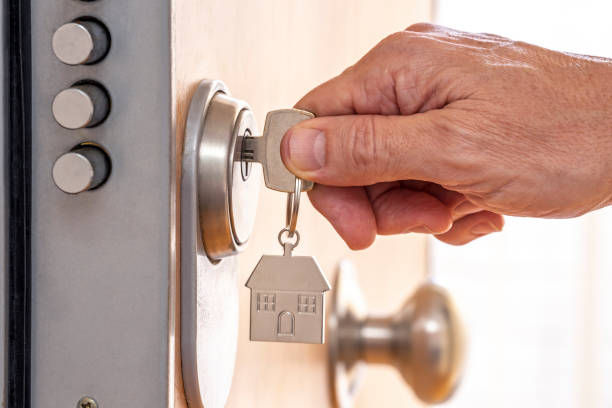
Why Do Extreme Desert Climate Shifts Jam Residential Entryway Locks?
Overcoming unexpected entry lock failures along a residential property line requires an organized sequence of internal cylinder decoding, precise strike plate adjustments, mechanical wafer optimization, and comprehensive security hardware maintenance. When intense summer temperatures combine with low desert humidity across the Sonoran region, exterior structural entryways warp with incredible physical force. Regional property maintenance logs reveal that intense seasonal heatwaves trigger over forty-five percent of unexpected latch mechanism binding during peak climate shifts. Scheduling a reliable locksmith service in Surprise, AZ technician resolves these frustrating entry complications completely, correcting misaligned latch bolts right on-site to restore smooth mechanical cylinder rotation safely before excessive physical turning forces snap the key blade inside the plug.
Key Takeaways
Extreme desert heatwaves cause home entry doors to swell forcefully against their steel strike frames.
Fine airborne dust and dried factory grease create immense friction inside mechanical pin chambers.
Professional internal cylinder cleaning restores fluid mechanical movement without requiring complete hardware replacement.
Proactive striker plate alignment prevents key breakage and maintains structural deadbolt security ratings.
Defending a residential property against sudden mechanical lockouts and electronic keypad failures relies on a fast cylinder decoding method that checks physical spacing before altering internal components. When an exterior entry door frame expands from prolonged sun exposure, the main locking deadbolt fails to clear the narrow opening of the strike plate pocket. Attempting to force a metal key to turn against this structural resistance will gouge the soft brass lock chambers, jamming the internal plug mechanisms permanently. Spreading high-grade dry graphite lubricant inside the keyway clears away fine desert dust, ensuring fluid pin movement without creating sticky oil residues.
Evaluating complex electronic vehicle transponders and commercial access control systems with absolute field precision requires extensive technical training, computer-guided key cutters, and complete familiarity with modern electronic security protocols. Our mobile response units carry advanced code databases, specialized bypass equipment, and premium lock hardware inventory to service stranded motorists and residential estates safely. These non-destructive opening methods protect your exterior paint finishes, stop physical deadbolt binding before it compromises your door frame structure, and preserve the long-term operational dependability of your security assets.
Analyzing the Structural Mechanics of Pin Tumbler Cylinders under Thermal Stress
Standard residential deadbolts rely on a delicate sequence of small brass pins and steel return springs to maintain absolute security against unauthorized access attempts. When a matching key slides into the narrow plug pathway, the specific depth cuts lift each lower pin to a straight horizontal line called the shear line. This precise mechanical alignment allows the inner plug to rotate freely inside the outer housing, which retracts the deadbolt from the door frame.
Because external entry locks remain exposed to intense sunlight for several hours each day, the metal housings absorb significant thermal energy, causing the tiny internal components to expand. This thermal expansion reduces the micro-clearances between the brass pins and the cylinder walls, which dramatically increases internal mechanical friction. Over time, turning a key inside a hot, dry cylinder scrapes away the delicate edges of the pins, causing the lock to stick even if you use a brand-new factory duplicate.
High-Performance Security Maintenance Essentials
Precision pin calibration eliminates internal keyway drag caused by normal metal wear.
Premium solid brass housings resist rapid thermal expansion to prevent sudden cylinder binding.
Dry chemical flushes clear out baked-on dirt particles without leaving sticky oil residues behind.
Reinforced mounting screws stop heavy exterior latch plates from shifting out of physical alignment.
Crucial Security Factors to Evaluate Before Upgrading Residential Entry Locks
Selecting a permanent fix for a jammed or outdated home locking system requires a detailed look at your specific door material, latch style, and active security hardware ratings. Older wood doors absorb moisture during rare desert rainstorms and swell during intense heatwaves, which pulls the interior locking mechanisms several millimeters out of line. Reviewing these underlying frame structural shifts early keeps your hardware replacement budget on track and ensures your new high-security deadbolts lock smoothly without putting physical strain on delicate internal gear assemblies.
Property owners must always check that their chosen on-site service crew operates with active state trade registrations and comprehensive liability insurance certificates. Confirming these legal operational safeguards keeps your household secure from unexpected financial liabilities if structural issues happen during heavy renovation tasks. Trusting the experienced field specialists at Old Glory Locksmith guarantees that your building improvements utilize commercial-grade hardware applied precisely according to local building safety guidelines.
Essential Security Specialist Selection Benchmarks
Verify active state business registrations and current municipal field operator licensing compliance.
Confirm that comprehensive general liability and emergency roadside protection insurance policies are active.
Demand non-destructive decoding methods that protect expensive chrome fuel tanks and custom paint finishes.
Check for formal technical certifications from respected global motorcycle manufacturers and trade groups.
Request itemized service quotes that break down separate dispatch fees, code fees, and labor costs.
Understanding the Physical Mechanics of Lock Rekeying and Master Key Systems
Altering the access permissions of a residential property after a tenant change or key loss involves far more than simply replacing the entire expensive decorative lockset assembly. Master technicians perform a cost-effective rekeying process by removing the existing cylinder plug and swapping out the old internal bottom pins for an entirely new combination of lengths. This technical modification invalidates all previously issued keys instantly, ensuring that only the newly cut key can align the pins along the shear line to open the door.
When managing large commercial properties or apartment complexes, technicians can configure these internal pins to read two entirely different keys simultaneously by inserting thin brass master wafers between the upper and lower pins. This layout allows individual office keys to align one specific shear line while a master key aligns a separate, higher shear line across every door in the facility. Matching these complex mechanical depths requires automated calibration tools, ensuring the master system operates cleanly without causing dangerous cylinder traps or key traps over years of heavy daily use.
Critical Signs of Cylinder Failure and Mechanical Binding
Key plugs that wobble loosely inside their housings reveal extreme internal casing wear.
Severe cylinder drag during cool morning hours points to heavy debris accumulation behind springs.
Deep horizontal scratch lines along key blades show that internal driver pins are seized.
Drywall cracks spreading directly above entry headers indicate serious structural doorway shifts.
Electronic keypad deadbolts that beep repeatedly without extending reveal critical low battery voltages.
Preserving Building Integrity and Real Estate Asset Values Over Time
Sustaining a resilient, safe, and highly weather-resistant residential property relies on combining timely locking hardware maintenance with durable frame alignment updates. By replacing worn latch assemblies, tracking cylinder wear, and correcting strike plate blockages early, you protect your home from unexpected security vulnerabilities. Relying on professional local help ensures your exterior entry barriers remain dependable, giving your household absolute peace of mind through severe seasonal weather changes.
Schedule Your Security Hardware Upgrades
Are you ready to safeguard your home against unexpected security failures with top-tier materials and precise hardware craftsmanship? Contact our office today to organize a comprehensive on-site entry inspection and receive a clear, itemized project estimate tailored to your residential property. Our certified field specialists stand fully prepared to handle everything from minor lock repairs to complete security system upgrades. Let us secure your real estate investment by providing the exceptional technical precision, resilient materials, and responsive support your home deserves.
Frequently Asked Questions
Why does a high-quality deadbolt lock become increasingly difficult to turn during peak afternoon heatwaves?
Deadbolt stiffness during hot afternoons happens because direct sunlight causes your home's exterior wooden or metal door to expand significantly within its frame. This expansion forces the heavy locking bolt to press tightly against the side of the strike plate metal cavity, creating immense friction that resists the turning force of your key. Our technicians resolve this specific issue by using precision files to widen the strike plate opening slightly or by adjusting the door hinges, allowing the bolt to slide freely without rubbing against the frame.
What specific technical steps are required to program a replacement transponder car key at a roadside location?
Programming a replacement car key on-site requires connecting a specialized diagnostic computer directly to the vehicle's onboard communication port beneath the dashboard panel. The technician enters the vehicle's encrypted security network, clears out any old lost key data from the computer memory, and initializes a secure synchronization sequence with the new transponder chip. This digital link ensures the car's engine immobilizer system recognizes the unique radio frequency of the new key, allowing the ignition system to start safely.
How can a mobile technician safely extract a snapped brass key blade from a deep lock cylinder without replacing the hardware?
Our mobile response teams extract broken key blades by inserting ultra-thin, serrated steel extraction hooks directly into the narrow keyway alongside the broken fragment. The technician hooks the teeth of the tool into the cut grooves of the snapped blade, gently sliding the stuck piece out of the plug without damaging the delicate internal pins or springs. Once the broken fragment is removed, the technician can decode the broken pieces to cut a brand-new factory-spec replacement key right inside the service van.
Can dust accumulation inside an open keyway cause an electronic keypad lock to stop recognizing a valid physical key?
Yes, blowing desert dust and fine sand particles can settle inside the open keyway of an electronic hybrid lock, filling the tiny spaces beneath the internal pin springs. When you insert a physical key, this packed dirt prevents the pins from dropping all the way down into the key cuts, which stops the plug from turning even if the key is correct. Periodically clearing the keyway with compressed air and avoiding sticky oil-based lubricants will prevent these frustrating dust-induced mechanical lockouts.
What specific features separate high-security commercial lock cylinders from standard residential grade deadbolts?
High-security commercial lock cylinders feature solid steel anti-drill pins, specialized hardened sidebars, and restricted keyways that prevent unauthorized key duplication at standard hardware stores. Standard residential deadbolts use simple brass pins that can be quickly compromised by basic lock-picking tools or bumping techniques. Upgrading to a certified high-security system provides superior resistance against physical attacks and ensures complete control over who has copies of your property keys.