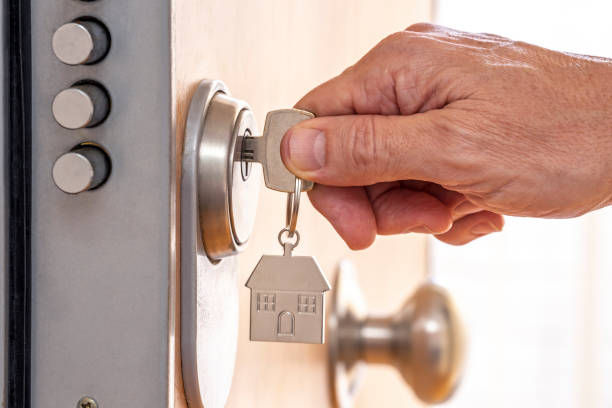
Why Do Intense Summer Heatwaves Jam Neighborhood Mailbox Locking Mechanisms?
Resolving an unexpected cluster box assembly failure along a residential property line requires an organized sequence of internal alignment checks, precise locking cam adjustments, mechanical wafer optimization, and comprehensive security hardware maintenance. When extreme summer temperatures combine with low desert humidity across the Sonoran region, metal postal storage boxes expand with incredible physical force. Regional community infrastructure analytics reveal that intense seasonal heatwaves trigger over forty-five percent of unexpected latch mechanism binding during peak climate shifts. Securing an experienced Mailbox Locksmith Phoenix, AZ field technician resolves these frustrating community mail container complications completely, correcting non-responsive cam latches right on-site to restore smooth mechanical cylinder rotation safely before excessive turning forces snap the small key blade inside the plug.
Key Takeaways
Extreme desert heatwaves cause community metal mailbox frames to expand and pinch internal locking cams.
Airborne sand and dried factory grease create immense friction inside delicate five-wafer security cylinders.
Professional locksmith intervention ensures compliant lock replacement without violating postal regulations.
Prompt replacement of worn security locks safeguards personal identification documents against localized property crimes.
Defending a community parcel container against sudden mechanical failures and lost key complications relies on a fast cylinder decoding method that checks physical spacing before altering internal components. When an outdoor metal enclosure expands from prolonged sun exposure, the internal tailpiece fails to clear the narrow opening of the rear alignment slot. Attempting to force a small key to turn against this structural resistance will gouge the soft brass lock chambers, jamming the internal wafer mechanisms permanently. Spreading high-grade dry graphite lubricant inside the keyway clears away fine desert dust, ensuring fluid pin movement without creating sticky oil residues.
Evaluating complex multi-tenant delivery lockers and commercial drop box security hardware with absolute field precision requires extensive technical training, specialized pick tools, and complete familiarity with modern postal access guidelines. Our mobile response units carry advanced code cutters, heavy-duty tension wrenches, and premium replacement lock inventory to service residential neighborhoods and corporate office parks safely. These non-destructive opening methods protect your exterior metal finishes, stop physical latch binding before it compromises the structural frame, and preserve the long-term operational dependability of your security assets.
Analyzing the Mechanical Principles of Five-Wafer Mailbox Cylinders Under Thermal Stress
Standard neighborhood multi-unit mailbox locks rely on a simple sequence of five small brass or security steel wafers and tiny return springs to maintain absolute security against unauthorized access. When a matching key slides into the narrow plug pathway, the specific depth cuts lift each internal wafer to a straight horizontal line called the shear line. This precise mechanical alignment allows the inner plug to rotate freely inside the outer cylinder housing, which turns the rear locking cam to open the door.
Because external metal mailboxes remain entirely exposed to intense sunlight for several hours each day, the dark steel or aluminum structures absorb significant thermal energy, causing internal air temperatures inside the locker to skyrocket. This thermal expansion reduces the micro-clearances between the small wafers and the cylinder walls, which dramatically increases internal mechanical friction. Over time, turning a key inside a hot, dry cylinder scrapes away the delicate edges of the security wafers, causing the lock to stick even if you use a brand-new factory duplicate.
High-Performance Mailbox Security Essentials
Specialized five-wafer replacement locks restore smooth mechanical movement during extreme weather.
Heavy-duty zinc-plated steel cams resist bending or warping under high manual pulling pressure.
Formed weather dust caps shield open keyways from fine blowing desert sand and heavy rainstorms.
Duplicate keys cut from direct factory codes ensure precise mechanical depth alignment inside plugs.
Crucial Security Factors to Evaluate Prior to Upgrading Neighborhood Mailbox Locks
Selecting a permanent fix for a jammed or outdated multi-unit mailbox lock requires a detailed look at your specific box ownership regulations, latch style, and active security hardware ratings. Most centralized cluster box units are owned either by local homeowners associations or individual commercial business parks, meaning the property owner is entirely responsible for maintaining the individual user locks. Reviewing these underlying structural ownership guidelines early keeps your hardware replacement budget on track and ensures your new high-security mail locks open smoothly without putting physical strain on delicate internal gear assemblies.
Property owners must always check that their chosen on-site service crew operates with active state trade registrations and comprehensive liability insurance certificates. Confirming these legal operational safeguards keeps your neighborhood secure from unexpected financial liabilities if technical complications happen during roadside emergency tasks. Trusting the experienced field specialists at Old Glory Locksmith guarantees that your building improvements utilize commercial-grade hardware applied precisely according to local building safety guidelines.
Essential Security Specialist Selection Benchmarks
Verify active state business registrations and current municipal mobile operator licensing compliance.
Confirm comprehensive general liability and emergency property protection insurance policies are active.
Demand non-destructive cylinder decoding techniques that protect expensive postal locker finishes.
Check for formal technical credentials from respected national locksmith associations and trade groups.
Request itemized service quotes that break down separate dispatch fees, component costs, and labor fees.
Understanding the Physical Mechanics of Postal Lock Replacement and Cam Alignment
Altering the access permissions of a secure mail container after a key loss or a tenant change involves far more than simply attempting to pry open the front metal door panel. Master technicians perform a clean extraction of the old lock body by accessing the rear fastening clip using specialized tension tools through the open door slot. This technical modification allows the technician to slide out the entire worn cylinder assembly and install a fresh factory-sealed unit without causing structural bending along the aluminum cluster frame.
When installing a replacement cylinder, technicians must carefully match the length and offset angle of the rear locking tailpiece to ensure the cam seats perfectly behind the frame latch. If the tailpiece is even two millimeters too short, the lock will wobble loosely inside its mounting hole, creating an unaligned gap that allows thieves to insert pry bars. Matching these complex mechanical dimensions requires specialized automated calibration tools, ensuring the replacement lock assembly operates cleanly without causing dangerous cylinder traps or key traps over years of heavy daily use.
Critical Signs of Mailbox Lock Failure and Cylinder Binding
Key blades that require hard wiggling or pulling reveal deep internal wafer misalignment.
Protective shutter faces that stick open show that internal return springs have collapsed.
Visible metal shavings around the keyway indicate that the inner brass plug is wearing out.
Severe cylinder drag during cool morning hours points to heavy debris accumulation behind springs.
Lateral movement of the entire outer lock body indicates a loose or missing structural retention clip.
Preserving Community Infrastructure Integrity and Asset Values Over Time
Sustaining a resilient, safe, and highly weather-resistant residential property relies on combining timely locking hardware maintenance with durable frame alignment updates. By replacing worn latch assemblies, tracking cylinder wear, and correcting strike plate blockages early, you protect your home from unexpected security vulnerabilities. Relying on professional local help ensures your exterior entry barriers remain dependable, giving your household absolute peace of mind through severe seasonal weather changes.
Schedule Your Mailbox Security Upgrades
Are you ready to safeguard your mail delivery against unexpected security failures with top-tier materials and precise hardware craftsmanship? Contact our office today to organize a comprehensive on-site entry inspection and receive a clear, itemized project estimate tailored to your residential property. Our certified field specialists stand fully prepared to handle everything from minor lock repairs to complete security system upgrades. Let us secure your real estate investment by providing the exceptional technical precision, resilient materials, and responsive support your home deserves.
Frequently Asked Questions
Why does a neighborhood mailbox key suddenly refuse to slide all the way into the lock cylinder during windy weeks?
Mailbox keys often refuse to slide into the cylinder because blowing desert dust and fine sand particles enter the open keyway and pack tightly down into the back of the plug chamber. This accumulated debris creates a solid physical barrier that blocks the tip of your key from reaching the final position, which prevents the internal wafers from aligning with the shear line. Our technicians resolve this issue by using specialized high-pressure air flushes and dry chemical cleaners to completely clear out the packed sand without leaving sticky residues that attract more dirt.
What specific steps should a homeowner take if they lose the keys to their centralized neighborhood cluster mailbox?
If you lose your mailbox keys, you should immediately contact a professional local locksmith rather than attempting to pry open the secure metal door, which can cause hundreds of dollars in structural damage to the cluster frame. The technician will verify your property occupancy, safely decode or drill out the old compromised cylinder using specialized non-destructive tools, and install a brand-new lock with a fresh set of keys right on-site. This fast replacement process ensures your daily mail delivery continues without interruption while securing your sensitive personal data from theft.
How can a mobile locksmith safely open a locked commercial parcel box without damaging the expensive metal frame?
Our mobile response teams open locked parcel boxes by using precision lock-picking tools or professional bypass keys that manipulate the internal five-wafer cylinder without harming the surrounding aluminum door structure. If the lock mechanism is entirely seized from rust or mechanical failure, the technician utilizes a high-speed carbide drill bits applied directly to the center shear line to break the tiny internal brass pins cleanly. This targeted opening method allows the lock to slide out easily, leaving the main frame entirely pristine and ready for an immediate replacement cylinder.
Can an old, worn-out mailbox lock allow unauthorized individuals to open the door using a similar key?
Yes, as a mailbox lock ages from hundreds of daily uses, the constant friction of the metal key slides wears down the delicate edges of the internal brass wafers and widens the shear line. This mechanical degradation reduces the lock's security tolerance, meaning a worn-out cylinder can eventually be turned by a similar key or basic hand tools. Upgrading to a premium, weather-resistant replacement cylinder ensures that only your exact cut key can actuate the tailpiece, preserving your household privacy.
What specific material features separate standard retail mailbox cylinders from commercial-grade postal locking hardware?
Standard retail mailbox cylinders are often made from thin zinc alloy metals that can easily crack or shear under physical force or heavy tool attacks. Commercial-grade postal locking hardware features solid brass plug bodies, hardened steel retention clips, and specialized anti-pick wafer configurations that resist manual manipulation. Utilizing these heavy-duty commercial cylinders ensures your mailbox stands up to harsh environmental heatwaves and provides a robust barrier against property crimes.